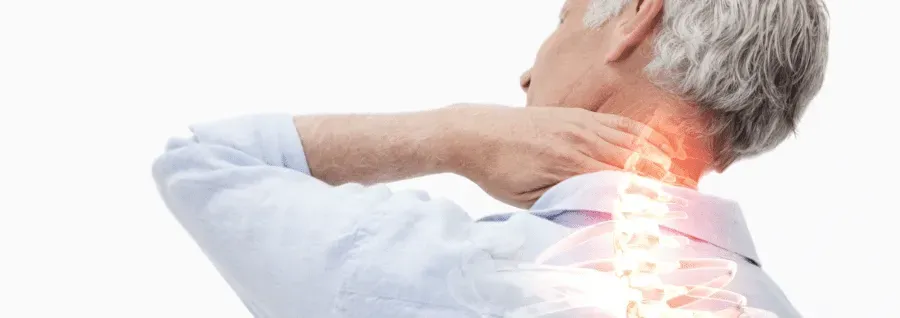
Cervicogenic Dizziness in Chestermere
Cervicogenic Dizziness:
Dizziness is a symptom that can have many different causes, ranging from inner ear conditions to neurological concerns. However, some individuals experience dizziness that originates from the neck. This condition is commonly referred to as cervicogenic dizziness, and it often occurs alongside neck pain, stiffness, or limited range of motion.
For residents searching for answers about cervicogenic dizziness in Chestermere, understanding the relationship between the neck and balance is an important first step. The cervical spine plays a significant role in providing sensory information to the brain about head position and movement. When this system is disrupted, dizziness can occur.
At Revital Health Chestermere, healthcare professionals evaluate symptoms carefully to determine whether dizziness may be related to cervical spine dysfunction. Through proper assessment and treatment strategies, patients can better understand their symptoms and work toward improving both neck function and balance.
Recognizing the signs of cervicogenic dizziness can help individuals seek appropriate care and regain confidence in their daily activities.
Understanding Cervicogenic Dizziness
Cervicogenic dizziness is a condition where dizziness or imbalance originates from issues within the cervical spine, which is the upper portion of the spine located in the neck. The cervical spine contains joints, muscles, ligaments, and nerves that communicate important information to the brain regarding posture and head movement.
When the neck experiences injury, tension, or dysfunction, the signals sent to the brain may become altered. This disruption can affect the body’s sense of balance and spatial awareness, resulting in sensations of dizziness or unsteadiness.
People experiencing neck related dizziness in Chestermere often describe symptoms such as lightheadedness, imbalance, or a feeling of disorientation that occurs alongside neck discomfort.
Unlike dizziness caused by inner ear disorders, cervicogenic dizziness is usually associated with neck movement or prolonged neck positioning. This connection between neck activity and dizziness often helps healthcare providers identify the underlying cause.
Understanding this relationship between neck function and balance is essential when determining the appropriate treatment approach.
How the Neck Influences Balance and Orientation
The human body relies on multiple systems to maintain balance. These systems include the inner ear (vestibular system), the visual system, and sensory receptors located in muscles and joints throughout the body.
The neck plays a unique role in this process because it contains specialized receptors that inform the brain about head position relative to the body. These signals help coordinate balance and movement.
When there is dysfunction in the cervical spine, such as muscle tension or joint irritation, the information sent to the brain may become inaccurate. As a result, the brain may struggle to interpret body position correctly, leading to dizziness or imbalance.
Individuals searching for physiotherapy for dizziness in Chestermere may find that addressing neck function helps restore normal sensory communication between the neck and brain.
By improving neck mobility and reducing tension, treatment approaches can help restore proper coordination between these systems.
Common Causes of Cervicogenic Dizziness
Cervicogenic dizziness often develops when the cervical spine experiences strain, injury, or prolonged stress. One common cause is whiplash, which can occur during motor vehicle accidents or sudden impacts.
Whiplash injuries may affect the muscles and joints of the neck, leading to stiffness and altered movement patterns. These changes can influence the sensory signals responsible for balance.
Another cause of neck-related dizziness is chronic neck tension, which may develop from poor posture or repetitive activities. Individuals who spend long hours working at computers or looking down at mobile devices may develop muscle strain that affects cervical function.
Degenerative conditions of the cervical spine, such as arthritis, can also contribute to dizziness by altering joint movement and nerve communication.
In many cases, cervicogenic dizziness occurs alongside other symptoms such as neck pain, headaches, or reduced neck mobility. Identifying these patterns helps healthcare professionals determine whether the neck may be contributing to dizziness.
Signs That Your Dizziness May Be Coming From Your Neck
Recognizing the symptoms of cervicogenic dizziness can help individuals seek appropriate care. Although dizziness can have multiple causes, certain patterns may indicate a connection to the cervical spine.
People experiencing neck-related dizziness may notice that their symptoms occur or worsen when they move their neck or maintain certain head positions. For example, looking upward or turning the head quickly may trigger dizziness.
Neck stiffness and discomfort are also commonly reported alongside dizziness. Some individuals may feel tension in the upper neck or shoulders, especially after prolonged sitting or desk work.
Headaches originating from the base of the skull may also accompany cervicogenic dizziness. These headaches often develop due to tension in the cervical muscles.
Another characteristic feature is the absence of spinning sensations commonly associated with inner ear conditions. Instead, cervicogenic dizziness often feels like imbalance or lightheadedness.
If dizziness occurs consistently alongside neck symptoms, it may be helpful to consult a healthcare professional for further evaluation.
Diagnosing Cervicogenic Dizziness
Diagnosing cervicogenic dizziness requires a careful evaluation because dizziness can have many potential causes. Healthcare professionals typically begin by reviewing the patient’s medical history and discussing the pattern of symptoms.
Physical assessments often focus on evaluating neck mobility, posture, and muscle function. Healthcare providers may examine how neck movement influences dizziness symptoms.
In some cases, additional assessments may be conducted to rule out other causes of dizziness, such as vestibular or neurological conditions.
At Revital Health Chestermere, physiotherapists assess cervical spine function and movement patterns to determine whether the neck may be contributing to dizziness. This evaluation helps guide treatment plans tailored to each patient’s needs.
Accurate diagnosis is important because it ensures that treatment strategies address the underlying cause of symptoms rather than only managing discomfort.
Treatment Options for Cervicogenic Dizziness
Treatment for cervicogenic dizziness often focuses on improving cervical spine function and reducing tension in the neck muscles. Physiotherapy is commonly used to address these concerns through targeted exercises and manual therapy techniques.
One approach involves improving neck mobility and posture. Gentle stretching and strengthening exercises can help restore normal movement patterns and reduce strain on cervical joints.
Manual therapy techniques may also be used to improve joint mobility and relieve muscle tension. These techniques are performed by trained physiotherapists and aim to restore balanced movement in the cervical spine.
Postural education is another important component of treatment. Many individuals develop neck strain due to prolonged sitting or poor workstation ergonomics. Learning proper posture and movement habits can help reduce recurring symptoms.
For individuals experiencing cervicogenic dizziness in Chestermere, physiotherapy programs are often designed to improve both neck function and balance coordination.
How Physiotherapy Can Help Restore Balance
Physiotherapy plays an important role in helping patients recover from cervicogenic dizziness. Treatment programs often include exercises that improve neck stability and strengthen supporting muscles.
Balance training may also be incorporated to help the body regain confidence in movement. These exercises gradually challenge the balance system while improving coordination between the neck, eyes, and inner ear.
Patients are often guided through exercises that promote better alignment and posture during everyday activities. These adjustments can reduce strain on the cervical spine and improve long-term neck health.
By addressing both the mechanical and sensory aspects of the condition, physiotherapy aims to reduce dizziness while improving overall movement patterns.
Conclusion
Cervicogenic dizziness is a condition that can occur when dysfunction in the cervical spine disrupts the body’s balance system. Neck injuries, poor posture, or muscle tension may influence the signals sent from the neck to the brain, resulting in dizziness or imbalance.
Understanding the connection between neck health and balance is essential for identifying the underlying cause of symptoms. For individuals experiencing cervicogenic dizziness in Chestermere, professional assessment and physiotherapy treatment can help restore neck function and improve balance.
At Revital Health Chestermere, healthcare professionals focus on evaluating cervical spine function and developing treatment plans that support recovery and improved mobility.
Call us to learn more about physiotherapy services, neck assessments, and treatment approaches designed to support balance and mobility.
Booking an appointment allows healthcare professionals to evaluate your symptoms, assess neck function, and develop a personalized treatment plan tailored to your needs.
FAQs
What is cervicogenic dizziness?
Cervicogenic dizziness is a condition where dizziness or imbalance originates from dysfunction in the cervical spine or neck.
What are common symptoms of cervicogenic dizziness?
Symptoms may include dizziness, neck pain, stiffness, headaches, and a sensation of imbalance.
Can neck problems cause dizziness?
Yes, dysfunction in the cervical spine can affect the sensory signals that help maintain balance.
How is cervicogenic dizziness treated?
Treatment often includes physiotherapy techniques such as neck exercises, posture correction, and manual therapy.
When should I see a healthcare professional for dizziness?
If dizziness occurs frequently or is accompanied by neck pain or stiffness, professional evaluation is recommended.